How Ventura Professionals Treat Gum Disease With Periodontal Care
Gum disease rarely arrives with much drama. Most people first notice a little blood in the sink, a spot that feels tender when flossing, or breath that seems off even after brushing. It is easy to dismiss those signs, especially when life is busy and the discomfort is mild. Yet periodontal disease tends to work quietly. By the time a patient feels real pain, the infection may already have damaged the structures that hold the teeth in place.
That is why periodontal care matters so much in Ventura. Dental professionals here see the full range, from early gingivitis that can be reversed with careful treatment, to advanced periodontitis that requires a coordinated plan over months or even years. The work is not simply about cleaning teeth. It involves diagnosing a bacterial infection, measuring tissue damage, reducing inflammation, preserving bone, and helping patients build habits that keep the disease from returning.
When people search for Periodontal Treatment Ventura, they are usually looking for more than a routine dental cleaning. They want to know what treatment actually involves, how serious their condition may be, and what they can expect from a local dental team. The answers depend on the stage of disease, the patient’s health history, and how the gums respond over time. Still, the overall approach is consistent: find the problem early, control the bacteria under the gumline, and protect the support system around each tooth.
Why gum disease develops in the first place
Periodontal disease starts with plaque, a sticky film of bacteria that forms on the teeth every day. If it is not removed effectively, it hardens into tartar, also called calculus. Once tartar forms, especially below the gumline, brushing at home cannot remove it. The gums become inflamed, and the space between tooth and gum deepens. That space, called a periodontal pocket, gives bacteria a sheltered place to grow.
The process sounds straightforward, but real life makes it more complicated. Two patients can have similar brushing habits and very different outcomes. One may develop only mild gingivitis, while the other loses bone around several teeth. Genetics, immune response, smoking, diabetes, stress, dry mouth, certain medications, and even clenching can change how gum disease behaves.
Ventura clinicians often see patterns that fit the coastal lifestyle and the broader California routine. Busy work schedules, coffee on the go, sports drinks, skipped preventive visits, and years of “my gums have always bled a little” all play a role. Many adults also carry old dental work, crowded teeth, or recession from aggressive brushing, which can make plaque control harder. None of this means gum disease is inevitable. It does mean treatment has to account for the person, not just the X-ray.
The signs professionals take seriously
Bleeding gums are the most common warning sign, but they are not the only one. Experienced dental teams look for subtle changes that patients often miss. Gums may appear swollen, shiny, or darker red than usual. Teeth can seem longer because the gumline has receded. Spaces may open between teeth that used to fit closely. In more advanced cases, a patient may notice shifting, tenderness when chewing, or a bad taste that keeps coming back.
A useful point to remember is that gum disease does not always hurt. That surprises many people. I have seen patients sit down convinced they just need a standard cleaning, only to learn they have several 5 or 6 millimeter pockets and early bone loss. Their reaction is often the same: “But nothing really bothered me.” Periodontal infection can stay surprisingly quiet while doing steady damage.
Bad breath is another symptom that deserves attention. Not every case of chronic bad breath comes from gum disease, but persistent odor often points to bacterial buildup below the gumline or around the tongue and back molars. When that odor returns shortly after brushing, professionals start thinking beyond cosmetic solutions.
How Ventura dental teams diagnose periodontal disease
A proper periodontal evaluation is more detailed than many patients expect. The dentist or hygienist measures the depth of the gum pockets around each tooth with a periodontal probe. Those numbers matter. Healthy pockets are generally shallow and easy to keep clean. As the measurements increase, the risk of attachment loss and bone loss rises.
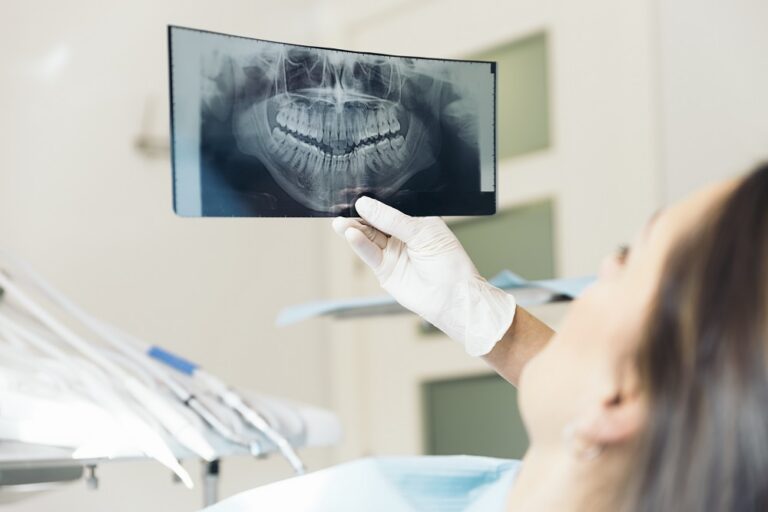
X-rays help reveal whether the bone around the teeth has changed. That matters because periodontitis is not just inflamed gums. It is loss of the supporting structures beneath the surface. A patient may have moderate redness above the gums but much more significant bone loss hidden below.
The clinician also checks for bleeding on probing, gum recession, exposed roots, loose teeth, bite trauma, and plaque retention areas. Existing crowns, bridges, fillings, and implants are assessed because overhangs or poor contours can trap bacteria. Medical history is critical too. A patient with uncontrolled diabetes, for example, often heals differently than a patient with stable blood sugar. A smoker may have less visible bleeding despite more severe disease, which can mask the true condition.
This diagnostic phase shapes everything that follows. Two patients might both hear the phrase “gum disease,” but their treatment plans can be completely different. One may need only improved home care and a preventive maintenance schedule. Another may need deep cleaning, local antimicrobial therapy, surgical pocket reduction, and long-term periodontal maintenance every three or four months.
The difference between a regular cleaning and periodontal treatment
This is one of the biggest points of confusion for patients. A regular dental cleaning is designed to remove plaque and tartar from above the gumline, along with light deposits just below it in generally healthy mouths. It is preventive care.
Periodontal treatment is different. It addresses infection and deposits that extend deeper beneath the gums, where standard cleaning instruments cannot safely or effectively manage the problem as part of a routine prophylaxis. Once gum pockets deepen and the tissue attachment is compromised, the goal changes. The dental team is no longer just preventing disease. They are treating active disease.
That is why insurance coding and treatment recommendations often surprise patients. Someone who has always received “a cleaning” may be told they now need scaling and root planing instead. To a patient, that can sound like an upsell. In reality, it reflects a clinical shift. The mouth has moved from routine preventive status into therapeutic care.
Early-stage care when the disease is still reversible
When gum disease is limited to gingivitis, the outlook is very good. Gingivitis means inflammation without permanent loss of bone or attachment. In these cases, professional cleaning combined with improved brushing and flossing techniques can often restore the tissues to health.
The challenge is that patients tend to underestimate gingivitis because it feels minor. A little bleeding seems harmless. Yet gingivitis is the doorway to periodontitis. Ventura professionals often use this stage as a turning point for education. Patients are shown where plaque accumulates, how to angle the toothbrush at the gumline, and how to clean effectively between teeth. Sometimes a power toothbrush, interdental brush, or water flosser makes the difference.
Home care advice is never one-size-fits-all. Tight contacts between teeth may call for floss or thin picks. Wider spaces from bone loss may require small interdental brushes. Patients with dexterity issues may do better with larger-handled devices. The best recommendations are the ones a person will actually use consistently.
What scaling and root planing really involves
For mild to moderate periodontitis, scaling and root planing is often the first line of active treatment. Patients sometimes call it a “deep cleaning,” which is understandable, though the clinical term matters because the goal is more specific. The clinician removes bacterial deposits and calculus from below the gumline and smooths the root surfaces so the tissue has a cleaner environment in which to heal.
This is usually done with local anesthetic, especially when pockets are deeper or the roots are sensitive. Depending on the amount of work needed, treatment may be completed in one longer visit or split into two sections, often one side of the mouth at a time. Ultrasonic instruments help disrupt tenacious deposits and biofilm, while hand instruments refine the root surface and remove remaining calculus.
After treatment, the gums may feel tender for a few days. Some patients notice temporary cold sensitivity, especially where inflammation had previously masked exposed root surfaces. That sensitivity often settles as the tissue tightens and the mouth stabilizes. Mild soreness is common. Severe pain is not.
A re-evaluation visit follows, often in four to six weeks. This part is important. Periodontal treatment is not judged by how much tartar came off that day. It is judged by healing. The team checks whether bleeding has decreased, whether pockets have shrunk, and whether the patient can now keep those areas clean. Good home care after scaling and root planing is what turns a procedure into a long-term result.
When antibiotics or antimicrobial therapy are used
Not every patient needs antibiotics, and most responsible periodontal care avoids prescribing them casually. Gum disease is caused by bacterial biofilm attached to the teeth and roots, so mechanical removal remains the foundation of treatment. Still, there are situations where antimicrobial therapy adds value.
Localized delivery, such as medication placed directly into a deep pocket, may help in stubborn sites that do not respond as expected. Systemic antibiotics are used more selectively, often for aggressive forms of periodontitis, specific bacterial patterns, or acute periodontal infections. The decision depends on exam findings, medical history, and the clinician’s judgment.
Ventura professionals also consider practical factors like sun exposure risks with certain medications, gastrointestinal tolerance, and whether a patient is likely to complete the https://maps.app.goo.gl/ChfJKu9PFXzaNGje8 course correctly. Good periodontal care balances benefit against unnecessary medication use.
Surgical periodontal care for advanced cases
When deeper pockets remain after non-surgical therapy, or when bone defects are too severe to manage conservatively, surgery may be recommended. This is often the part patients fear most, though the reality is usually more manageable than they expect.
Periodontal surgery allows direct access to the root surfaces and underlying bone. The gum tissue is carefully reflected so deposits can be removed and the area reshaped or repaired when appropriate. In some cases, pocket reduction surgery helps create a gum architecture that is easier to maintain. In others, regenerative procedures aim to rebuild lost support around specific teeth using graft materials, membranes, or biologic agents.
The right case matters. Regeneration is not magic, and it does not work equally well everywhere. A narrow vertical bone defect around a strategically important tooth may be an excellent candidate. Generalized horizontal bone loss across many teeth usually calls for a different conversation. Good clinicians are careful not to promise more than biology can deliver.
Gum grafting may also be part of periodontal care, especially when recession leaves roots exposed or when the tissue is too thin to remain stable. This is not always about appearance. Covering exposed root surfaces can reduce sensitivity, improve cleansability, and protect areas vulnerable to further recession.
Periodontal maintenance is where long-term success lives
Once a patient has had periodontitis, the mouth does not simply go back to baseline forever. Even after excellent treatment, those tissues need ongoing supervision. That is why periodontal maintenance exists as a separate category from routine cleaning.
Maintenance visits are tailored to the patient’s history and risk level. Three months is common at first because the bacterial biofilm in susceptible patients can repopulate and trigger inflammation again relatively quickly. During these visits, the team reviews pocketing, bleeding, plaque control, and areas of recurrent breakdown. Deposits are removed from above and below the gumline as needed. Home care is reinforced, not as a lecture, but as part of disease control.
The patients who do best are not necessarily the ones with perfect mouths. They are often the ones who accept that periodontal disease is chronic and needs management, much like high blood pressure or asthma. That mindset changes everything. Instead of chasing a one-time fix, they commit to steady maintenance.
What home care looks like after treatment
Most people do not need a complicated routine. They need an effective one. After periodontal treatment, the clinician usually recommends brushing twice daily with a soft or extra-soft brush, cleaning between the teeth once a day, and using any prescribed rinse or adjunct exactly as directed. Technique matters more than force. Scrubbing harder usually causes more recession and irritation, not cleaner teeth.
The best home-care plans are practical:
- Brush at the gumline with gentle pressure for a full two minutes.
- Clean between teeth with the tool that fits the space, floss, picks, or interdental brushes.
- Use antimicrobial rinses only as directed, not indefinitely without a reason.
- Replace worn brushes and brush heads regularly.
- Keep maintenance visits, even when the mouth feels fine.
That last point is worth emphasizing. Feeling fine is not a reliable measure of periodontal stability. The tissue can deteriorate quietly. Maintenance appointments catch relapse while it is still manageable.
The role of smoking, diabetes, and other risk factors
Some periodontal cases heal fast and predictably. Others remain unstable despite skilled treatment. Usually, risk factors explain the difference.
Smoking is one of the most damaging influences on periodontal health. It restricts blood flow, suppresses the visible signs of inflammation, impairs healing, and increases the chance of treatment failure. Smokers often present with less obvious bleeding, which can create a false impression that things are not so bad. Yet the bone loss can be substantial. Patients who quit often see dramatic improvement in healing response and long-term stability.
Diabetes is another major factor, especially when blood sugar is poorly controlled. There is a two-way relationship here. Diabetes can worsen periodontal disease, and active periodontal inflammation can make blood sugar harder to manage. Ventura dental teams frequently coordinate with physicians when a patient’s periodontal picture suggests that systemic control may be part of the issue.
Other factors include pregnancy-related hormone changes, autoimmune conditions, medications that cause dry mouth, mouth breathing, and chronic stress. Teeth grinding can also aggravate already compromised support by placing excess force on inflamed tissues. Good periodontal care takes the whole health picture into account.
Saving teeth versus removing them
One of the hardest judgment calls in periodontal care is deciding when a tooth can be predictably maintained and when extraction is the wiser course. Patients often assume every tooth should be saved if possible. Emotionally, that makes sense. Clinically, it is not always the best choice.
A tooth with advanced bone loss, mobility, furcation involvement between roots, repeated abscesses, and poor strategic value may absorb significant time and money without offering long-term reliability. On the other hand, a tooth that looks questionable at first glance may serve well for many years if the patient is motivated and the anatomy is favorable.
This is where experience matters. Responsible providers explain prognosis honestly. They talk through trade-offs, not just procedures. Sometimes preserving a compromised tooth helps maintain function while a larger restorative plan develops. Sometimes removing it earlier prevents ongoing infection and makes room for a healthier, more predictable replacement. There is no universal answer, and anyone promising one should raise concern.
How local professionals coordinate care
In Ventura, periodontal care may happen in a general dental office, a periodontal specialty practice, or both. Many cases are co-managed. The general dentist identifies the problem, handles routine restorative needs, and tracks overall dental health. The periodontist focuses on gum and bone disease, surgical intervention, grafting, and complex maintenance decisions.
This coordination can be especially important when restorative work is planned. Crowns, bridges, implants, and cosmetic procedures all depend on stable periodontal health. Placing beautiful dentistry on an unhealthy foundation is one of the fastest ways to shorten its lifespan. Experienced professionals treat the gums first, then move to aesthetic or restorative phases once inflammation is under control.
Patients should not take referral to a specialist as bad news. In many cases, it is simply good judgment. A periodontist brings additional training in diagnosing attachment loss patterns, managing advanced defects, and deciding when surgery or regeneration is worth pursuing.
What patients often ask about cost and comfort
Two concerns come up in nearly every periodontal consultation: “Will it hurt?” and “Will my insurance cover it?” Both are reasonable.
Modern periodontal care is usually well tolerated. Local anesthetic, topical numbing agents, gentle instrumentation, and clear post-treatment instructions make a major difference. Most patients report that the anxiety beforehand was worse than the procedure itself. Soreness afterward is generally manageable with standard recommendations from the dental team.
Coverage varies widely. Many dental plans contribute to scaling and root planing, periodontal maintenance, and some surgical procedures, but frequency limits, waiting periods, and annual maximums often apply. Patients are often surprised that maintenance visits may be covered more often than standard cleanings once active periodontal disease has been diagnosed. A good office will explain the difference in practical terms and avoid vague billing language.
The bigger financial issue is often delay. Early treatment is simpler and less expensive than advanced reconstruction after years of breakdown. A few deeper pockets treated now are easier to manage than multiple loose teeth, grafting procedures, extractions, or implant planning later.
Choosing the right provider for Periodontal Treatment Ventura
The best fit is not always the flashiest website or the office that promises the fastest fix. Periodontal care depends on careful diagnosis, clear communication, and disciplined follow-through. Patients should look for a provider who measures and explains pocket depths, discusses radiographic findings plainly, and outlines both short-term treatment and long-term maintenance.
A worthwhile consultation usually includes these elements:
- A full periodontal charting and review of X-rays.
- A clear distinction between gingivitis and periodontitis.
- Discussion of risk factors like smoking, diabetes, and home-care habits.
- A treatment plan with realistic goals, not guarantees.
- A maintenance strategy after active care is complete.
That kind of conversation signals seriousness. Gum disease treatment should never feel improvised or purely cosmetic. It is medical care for the supporting tissues of the teeth.
The practical outlook for most patients
The encouraging truth is that many cases of gum disease respond very well when treated consistently. Bleeding can stop. Pockets can shrink. Breath can improve. Teeth that felt slightly mobile may firm up once inflammation is reduced and the bite is adjusted if needed. Even when lost bone cannot be fully replaced, the disease process can often be stabilized for years.
Success usually comes from a combination of factors rather than one dramatic intervention. Accurate diagnosis sets the direction. Thorough debridement reduces the bacterial burden. Home care keeps the environment cleaner between visits. Risk factor control improves healing. Maintenance catches small setbacks before they become major ones.
That is how Ventura professionals approach periodontal disease in the real world. Not with one universal remedy, and not with empty reassurance, but with measured, evidence-based care tailored to the patient in the chair. For anyone noticing bleeding gums, gum recession, chronic bad breath, or shifting teeth, early evaluation matters. The sooner treatment begins, the more options remain on the table, and the better the odds of keeping the natural teeth healthy and functional for the long run.
Avra Dental
Address: 1708 S Victoria Ave B, Ventura, CA 93003
Phone number: (805) 941-1001
FAQ About Periodontal Treatment Ventura
Can a dentist get rid of periodontal disease?
A dentist or gum specialist (periodontist) cannot fully cure or reverse advanced periodontal disease (periodontitis), but they can successfully stop its progression and manage the infection.
Is periodontitis very serious?
Yes, periodontitis is a very serious, advanced form of gum disease that destroys the bone and tissues supporting your teeth.
How is stage 2 periodontal disease treated?
Stage 2 periodontal disease (early to moderate periodontitis) is primarily treated with non-surgical deep cleaning procedures like scaling and root planing to remove bacteria and tartar below the gumline.
Ends · REMINGTONAWBD426